


Fleet Management Technology: How Innovation is Shaping Modern Fleets

Fleet operations are going digital. Fleet management technology is changing the way trucking companies enhance their safety, efficiency, and cost management, with real-time tracking solutions moving into the use of predictive maintenance and AI-driven insights. Be it five trucks or five hundred, your fleet tracking and optimization can either make or break your profit margin. The modern fleet management technology assists logistics firms in minimizing downtime, limiting fuel waste, and ensuring driver safety on the road.

What began as an easy GPS track has now become an interrelated ecosystem, with telematics, data analytics, and automation. The current fleet management technology trends are not only about knowing where your trucks are, but also about anticipating what is going to happen next, be it maintenance warnings, fuel optimization, or driver safety scoring.

Table of Contents

Types of Fleet Management Technology

No system fits every fleet because each one of them is different and has its own set of challenges. Knowing what types of fleet management technology there are in the market today will assist you in deciding what best fits your operation and budget.

The following are the major categories that influence the operation of modern fleets.

1. Fleet Tracking Technology

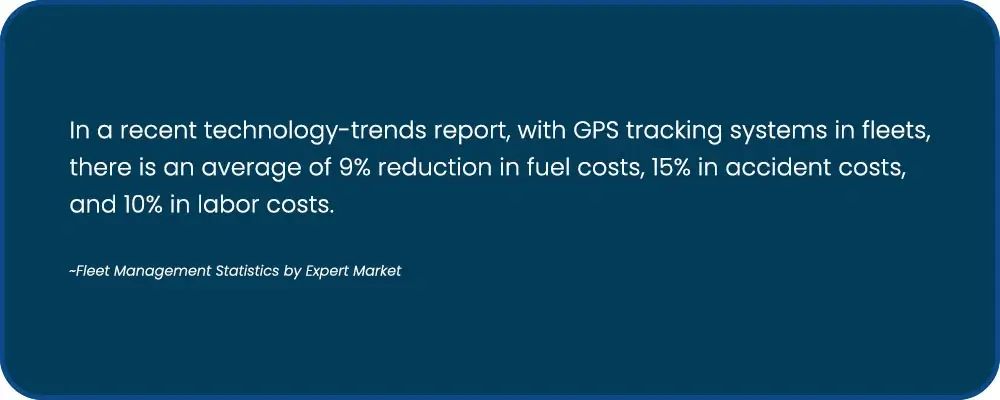
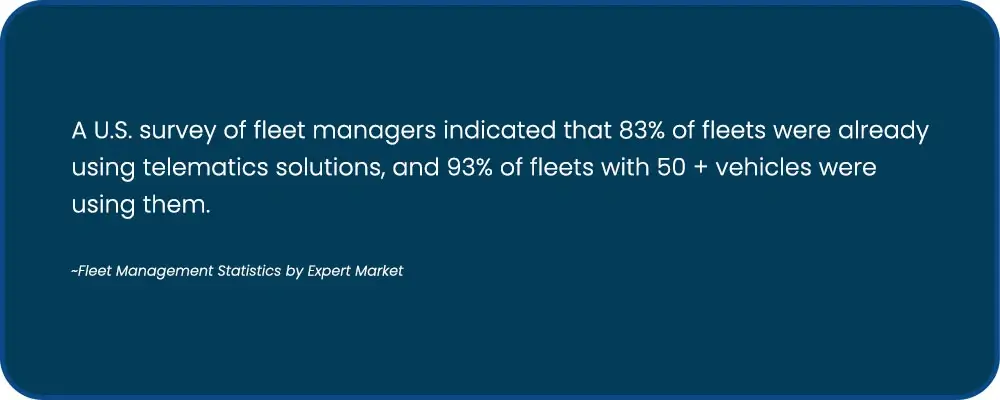
This is where the majority of fleets start their tech journey. The fleet tracking technology allows the real-time monitoring of truck locations, the efficiency of the routes, and the performance of drivers. It ensures that dispatchers know exactly where all assets are, and this helps to reduce the deadhead miles, improve the accuracy of ETA, and improve customer communication.

Other systems even have geofencing and route optimization, notifying you when trucks are off route or when they get stuck in traffic jams.

in-a-recent-technology-trends

2. Fleet Safety Technology

One of the most significant components of any trucking activity is safety. Fleet safety technology consists of dash cams, lane-departure systems, and fatigue notifications to drivers. Not only do these gadgets prevent accidents, but they also assist in insurance claims and liability coverage.

Together with the telematics data, the managers will be in a position to analyze driver behavior (harsh braking, overspeeding, etc.) and coach drivers using real-time feedback.

3. Fuel Management Systems for Trucks

The second largest fleet expense, other than payroll, is fuel. That is why it is a must-have to have a fuel management system for trucks. These systems monitor consumption, identify anomalies like theft of fuel, and identify poor driving behaviors.

There are also more sophisticated platforms that can be connected to card systems or IoT sensors to track fill-ups and idling time to allow operators to see the patterns and make a wiser purchasing or routing decision.

4. Real Time Fleet Tracking and Monitoring Systems

The above features: GPS, telematics, and analytics are brought together on a single dashboard using the new real time fleet tracking and monitoring systems.

Such visibility ensures that the coordination between dispatchers, drivers, and maintenance staff is improved and allows them to make decisions faster and operate the board more efficiently.

Fleet Management Technology Trends

Trucking technology is evolving more quickly than ever before. With the recent automation and the advancement of artificial intelligence, the new fleet management technology trends are setting a new level of operational control and efficiency.

The following are the top innovations that will take over in the upcoming years.

1. Predictive Maintenance and AI Integration

Predictive maintenance tools powered by artificial intelligence will be able to identify potential problems before they lead to costly breakdowns. Through engine data, tire pressure, and performance, these systems will notify you when something is about to fail.

The integration of AI can also be used to optimize the routes and schedules automatically, eliminating unnecessary mileage and increasing the uptime of the driver. To the fleet owners, this implies fewer surprises, reduced breakdowns, and more reliable delivery performance.

2. Data Integration and Cloud Platforms

Another trend is the shift to cloud-based and integrated data systems. A large number of fleets are integrating their TMS, telematics, and maintenance devices into a single fleet management technology platform.

These integrations provide one view of all the vehicles and drivers, causing less chaos in the back office. Managers no longer need to juggle spreadsheets and paper records and can make quicker and more data-driven decisions and communicate them with drivers in real time with mobile applications.

3. Automation and Compliance

Automation is also streamlining everything, including dispatching and compliance management. Hours of paperwork are saved daily with automated ELDs, IFTA reporting, and inspection logs. With the strict regulations, automation keeps the fleets on track without any delay in business, which all logistics operators appreciate.

Truck Fleet Management Technology in Action

The best proof of value comes from what happens on the ground. Truck fleet management technology is having a visible effect on productivity and profitability. Modern systems are much more than the dots on the map. They allow dispatchers to reroute vehicles in real time, notify the drivers about the traffic or weather, and even automate compliance reports. This, in combination with fleet safety technology, means fewer accidents, higher CSA scores, and more driver responsibility.

Even small fleets can benefit. Devices like a fuel management system in trucks can track the usage, fuel theft, and bad driving habits. Meanwhile, telematics data combined with accounting or load management systems helps in reducing the administrative burden, which will save time and money.

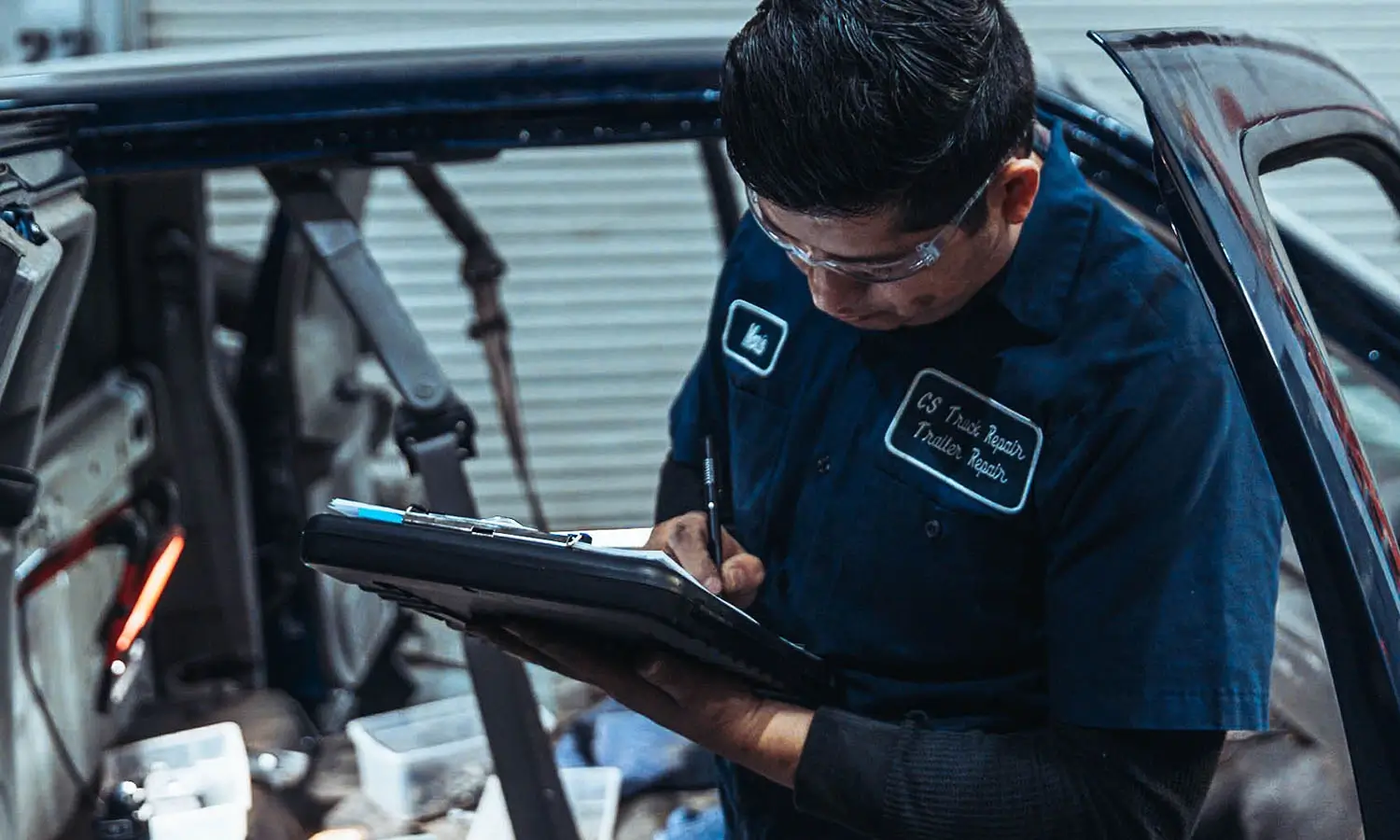
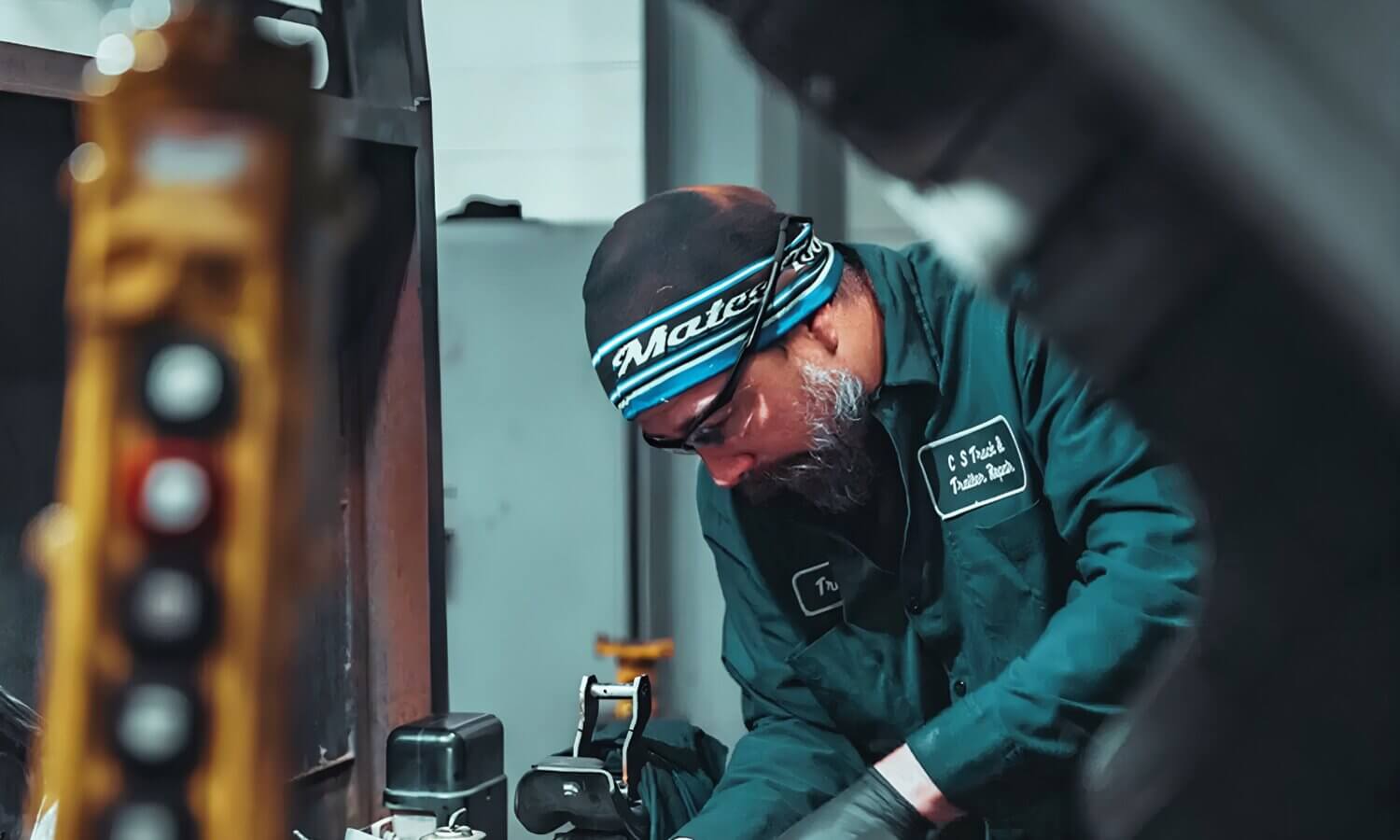
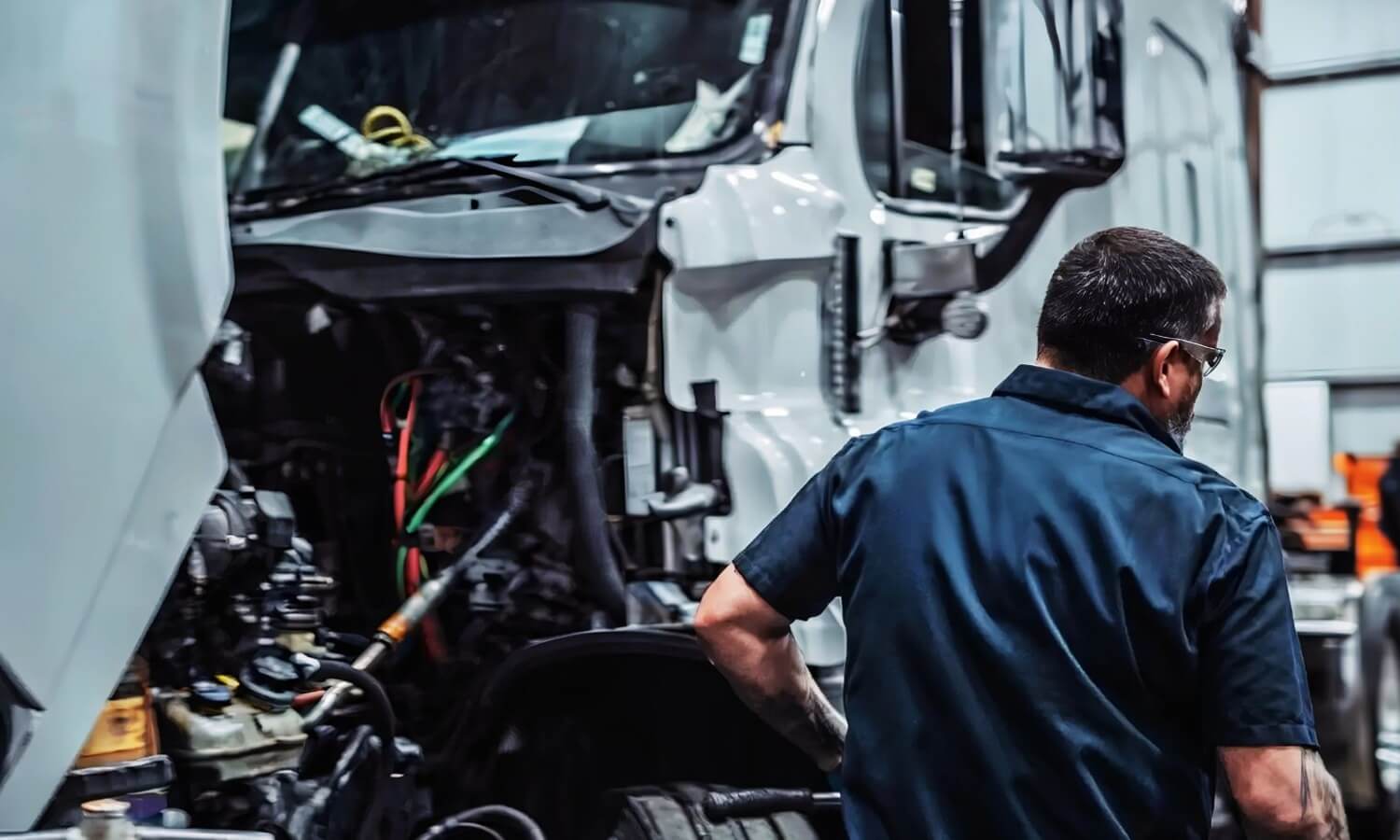
For many fleet operators, the collaboration with trusted fleet maintenance service providers such as CS Truck & Trailer Repair means that the data-driven insights of their fleet systems can be translated into faster on-site service and less downtime in the event of any failures.

choosing-the-right-fleet-management-software-solutions

Choosing the Right Fleet Management Software Solutions

The choice of fleet management software solutions depends on the specific needs of your own business. There are fleets whose priorities are maintenance, routing, or compliance.

When fighting against fuel waste, you need to select a platform that links with fuel cards and sensors. To ensure compliance-intensive operations, select systems that auto-create DVIRs, inspection logs, and ELD reports. The most valued fleet management technology is modular, allowing you to begin small and expand as your fleet continues to grow.

When comparing systems, look for:

  • User-friendly: Your staff does not have to spend months training on it.
  • Mobile compatibility: Drivers and dispatchers can access data from anywhere.
  • Integration: The system should connect with your accounting, TMS, or load boards.

In the end, the most useful tool is the one that is actually being used by your team and not a tool with the most features.

The Future of Fleet Management Technology

Over the next ten years, more predictive, intelligent, and connected tools will become available. Automation, sustainability, and more intelligent data-driven decision-making are key components of fleet management technology’s future.

The process of incorporating electric vehicles (EVs), automated diagnostics, and cloud-based dashboards will become usual. Instead of simply notifying you what is going on, AI-based analytics will explain why it is going on, allowing you to control the maintenance schedule, train drivers, and plan loads in advance before the problem occurs.

As fleets embrace digital solutions, more comprehensive adoption of real-time fleet tracking and monitoring systems will be used to enhance uptime and customer communications. The integration of telematics and predictive analytics will result in a fully joined environment where the work of a truck, driver, and manager is synchronized.

This technology is not too expensive for small and medium operators. Advanced systems have never been more affordable, as most forms of fleet management technology are now available on subscription models.

Frequently Asked Questions

It is a set of tools, systems, and software designed to help logistics companies manage vehicles more effectively. Fleet management technology involves GPS and tracking, telematics, driver safety, and maintenance automation – all of which are meant to enhance the performance, safety, and profitability.

It helps reduce fuel costs, improve driver behavior, enhance safety, and minimize downtime through real-time monitoring and automation. It also simplifies compliance reporting and improves customer service with accurate delivery updates.

The key technology trends in fleet management for 2025 are AI-based predictive maintenance, cloud integration, EV adoption, and data-driven driver performance analytics.

Telematics links your trucks, drivers, and dispatchers. It grants access to the information about the vehicle location, speed, idling, and maintenance state, which will assist in making more informed choices regarding routing, scheduling, and fuel consumption.

Even with limited resources, small operators can use affordable fleet management software solutions to automate reports, monitor routes, and track fuel usage. These tools level the playing field with larger fleets and improve profitability.

Conclusion

In today’s competitive market, running blind is not an option. The fleet management technology provides the necessary visibility, data, and control that logistics operators require to ensure the trucks keep rolling and the margins are healthy. It could be truck fleet management technology, a high-tech safety tool, or a fuel management system for trucks; in either case, this is an investment worth making in the long term as long as it helps reduce waste or downtime.

For fleet owners who built their business the hard way, technology isn’t replacing experience; it’s enhancing it. The smarter your system, the stronger your fleet.

Feel like discussing fleet optimization with the latest technology with someone?

CS Truck & Trailer is a reliable partner to install fleet management technology, preventive maintenance, DOT inspection, and mobile fleet repair, no matter where your trucks are.

Get in touch with us now and book your next service at our Contact Page or call us at 770-484-1448 and ensure your fleet is operating at peak efficiency.

Author

Megan McTaggart - Fleet Industry Copywriter

Margaret Johnson

Fleet Industry Copywriter – CSTT
Margaret Johnson is a professional content writer specializing in fleet management, vehicle maintenance, and repair industry insights. I create well-researched, practical, and SEO-driven content that helps fleet managers and business owners make informed decisions. With a focus on clarity and value, Margaret translates complex technical topics into easy-to-understand, actionable information.