
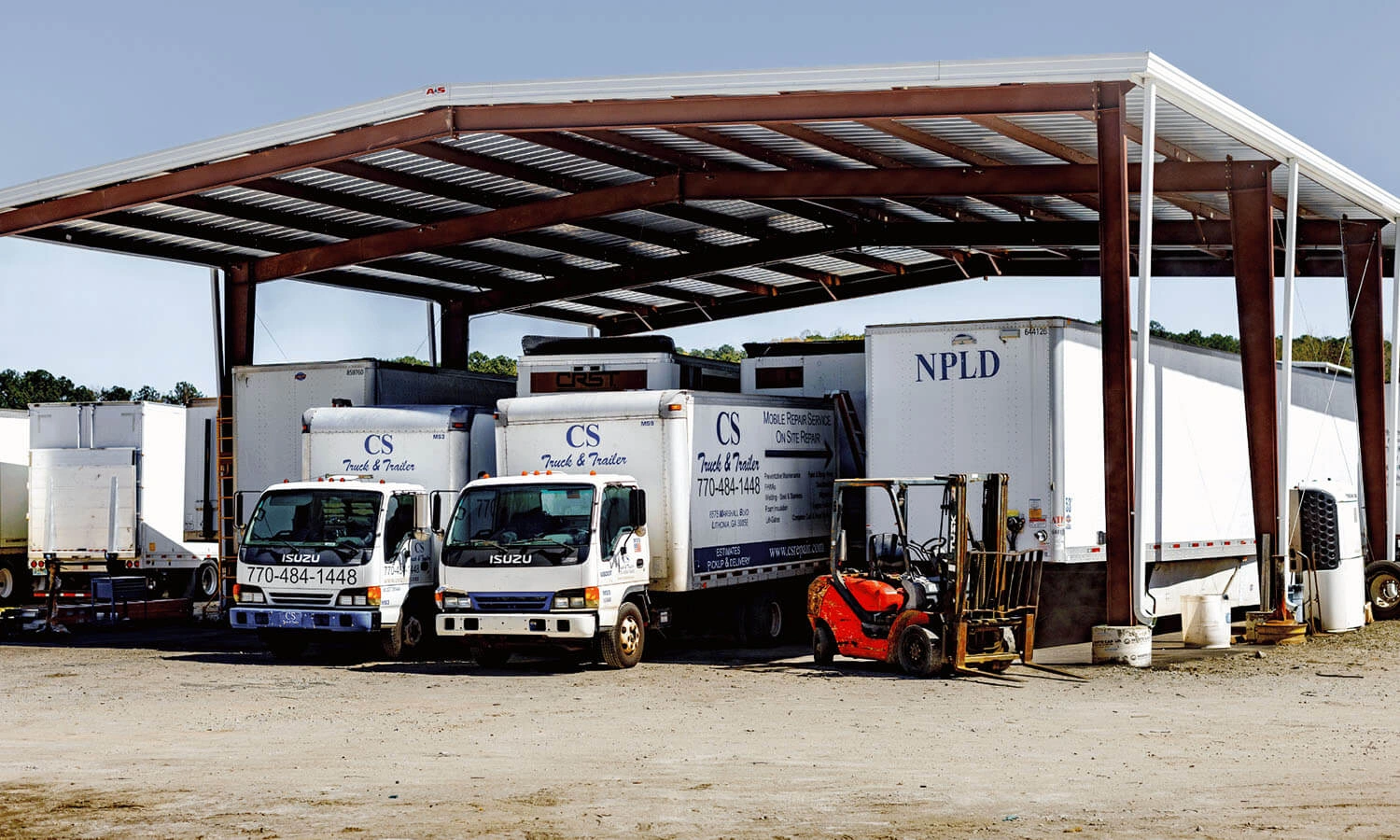






Diesel Shortage: How to Keep Your Fleet Running Smoothly
Do you know your fleet budgets have been rewritten overnight with the increasing diesel price? If you still haven’t planned for the next fuel shortage, you might be burning your profit faster than fuel. Small or large, every fleet across the United States is juggling between higher operations, delayed hauls, and tight delivery margins. For owner operators and fleet managers, staying ahead is not just an option anymore. Instead, it can be the difference between moving freight efficiently and watching delays pile up.
According to the U.S. Energy Information Administration (EIA), “U.S. distillate (which includes diesel) inventories fell by 17% (~22 million barrels) in the first half of 2025 compared to the same period last year.
Table of Contents
Understanding the Diesel Shortage
The present diesel shortage is a full-scale supply tug-of-war. It has been affecting fleets directly.
The Energy Information Administration (EIA) states that U.S distillate fuel oil inventories fell to about 103.4 million barrels in the week ended May 23, 2025. It is the lowest since April 2025.
With such tight stocks, even small disruptions can trigger big ripple effects for operations dealing with a diesel FUEL shortage. We have three major reasons for it.
- Petroleum-based distillate demand is caused by reduced production of renewable diesel and biodiesel. It reached up to ~170,000 barrels per day in 1H 2025 (U.S. Energy Information Administration (EIA).
- Strong international demand for exported U.S. distillates. This drains domestic supply drastically (U.S. Energy Information Administration (EIA).
- Refinery closures and maintenance are constraining output. It is placing pressure on the supply chain. A full-blown diesel fuel crisis might be waiting for us (Oil and Gas Journal).
For fleets that rely on predictable fuel access and stable rates, the message is clear. This isn’t a temporary hiccup. You will need a plan to deal with this structural shift.
Beat the diesel shortage! Partner with CS Truck & Trailer to reduce downtime and fuel waste.
The Impact of Diesel Shortages on Fleet Operations
The current diesel shortage is a major operational threat for every fleet owner. 52% of US transport and shipping companies have evidently stated about their concern for rising fuel crisis. They stated that 20% or more of their monthly operation budget is allocated for fuel. As a result, fleets are facing knocks on maintenance schedules and ripple effects throughout their operations.
Fleet Maintenance Delays
Fleet Maintenance service takes a back seat when the diesel prices are higher. Fleet managers delay routine servicing to preserve cash flow. But skipping scheduled inspections lead to wear and tear. It costs more in the long run. If you are facing diesel truck oil shortage, extended oil intervals, postponed part replacement or quick fixes can turn into a huge breakdown. You will have higher downtime, unplanned repairs and reduced efficiency when every mile counts.
Rising fuel and transport costs
Fuel has always been one of the largest operational expenses for fleets. But following the diesel crisis it has turned into the single biggest budget variable.
As noted by the U.S. Energy Information Administration, international demand for distillate fuels (including diesel) and tight supply lines push U.S. prices up. “U.S. Energy Information Administration”.
Even the modest price increases can erode the profit margins for dozens of vehicles. Fleets find themselves burning more fuel if they don’t adjust routes, loads, or idling habits. The diesel issue can quickly turn into a profitability crisis if you don’t have strong cost controls.
Route and delivery disruptions
When the full picture includes diesel fuel shortages, you’re no longer just tracking cost. You’re fighting availability. Even the best planned routes can be disrupted by limited diesel supply. Drivers face longer wait times at fueling stations and expected detours to find supply. For the fleet owners, who emphasize on-time delivery, customer satisfaction and driver retention, this is a direct hit.
Your fleet’s uptime is our mission. Schedule preventive maintenance with CS Truck & Trailer today!
Proactive Strategies to Keep Your Fleet Running
When the diesel shortage hits, the fleet that had a good plan keeps moving while others stall. Implement proactive fuel and maintenance strategies combined. It will keep your fleet profitable and reduce downtimes.
According to the American Trucking Associations (ATA), over 90% of freight in the U.S. moves by truck.
Even minor fuel shortages can strain national supply chains. That’s why building a contingency plan isn’t an option anymore. It’s a survival move. Smart fleets are optimizing routes and cutting idling time. They are also using real-time telematics to track fuel burn. Every percentage of efficiency matters.
The U.S. Department of Energy estimates that cutting idle time by just one hour per day saves about $1,600 per truck annually.
When fuel prices spike, these savings stack up. Every drop counts, and together they make a sea. You’ll stay profitable even when diesel fuel outages hit specific regions.
Diesel Fuel Management Tips for Fleets
The impact of diesel fuel supply shortage can be reduced efficiently with the following key steps. It will keep your operations running smoothly.
- Monitor the Usage of Fuel Accurately:
Use a fuel management system or TMS integration to monitor gallons per mile. Also track idle time, and route efficiency.
- Fleets that analyze usage patterns and adopt efficiency practices often report double-digit percentage fuel savings (per NACFE studies).
- Reduce the Idle Time:
Just one hour less idling per truck per day can save a lot annually. Use automatic engine shutdown timers where possible. - Diversify Fuel Sources:
Relying on a single supplier can be a mistake. During diesel fuel shortages in the US, start looking for mobile fueling or renewable diesel options. - Plan Preventive Maintenance:
Underinflated tires lower fuel efficiency. It is also affected by clogged filters and poor alignment. If you keep your fleets tuned, it will help insure that every drop of fuel delivers maximum miles. - Train Drivers on Fuel-Smart Habits:
MPG can be improved by gentle acceleration, reduced highway speed, and planned rest stops. These small habits will save your fleets during truck fuel shortages. - Plan Routes with Fuel Access in Mind:
Track stations with diesel availability. Use real-time maps or apps. You can save time and mileage if you avoid last-minute detours.
Keep your fleet moving with Mobile Truck Repair. Trust CS Truck & Trailer for reliable, cost-saving diesel truck maintenance.
The Role of Fleet Maintenance during Diesel Shortages
Fleet maintenance is a cost control strategy in a situation where every drop of fuel matters. Well maintained trucks burn less fuel. Your vehicle will perform better and stay on the road longer. Even during a diesel fuel shortage, your vehicle will be able to achieve tasks in a timely manner. Taking care of your equipment is the most effective solution to combat the effects of a diesel crisis.
Regular oil and filter changes improve combustion efficiency. Clean air filters ensure proper airflow and fuel burn.
According to the North American Council for Freight Efficiency (NACFE), Checking tire pressure and alignment not only improves safety but can also enhance mileage by up to 3% for every PSI properly maintained.
Fleets that use high-quality lubricants and fuel additives see even better returns. These upgrades minimize engine friction and improve injector performance. The critical components of the vehicle will have a longer lifespan giving you an overall competitive edge.
Beyond the technical benefits, consistent maintenance provides operational predictability. This is extremely important during uncertain supply conditions. It helps managers plan mobile service intervals and anticipate part demand.
CS Truck & Trailer Helps Fleets Stay on the Road
During these diesel fuel shortages, every decision counts. Choosing the right fleet maintenance service will make a huge difference for you. CS Truck & Trailer understands that downtime is not just an inconvenience but a lost revenue. It makes you miss loads and strain client relationships. Our technicians specialize in keeping diesel trucks road-ready. Through our precise maintenance, you will see quick turnarounds and a proactive service plan.
We understand that fleets can’t afford to stop. Our team makes sure it doesn’t have to. CS Truck & Trailer experienced technicians, reliable service, and a commitment to uptime will make all the difference for you.
Frequently Asked Questions
The current lack of diesel fuel in the US is a result of reduced refining capacity. It also occurred due to demand spikes and disruptions in the global oil supply. Refinery utilization rates dropped during maintenance cycles, while exports to Europe increased, tightening domestic supply. In this case, the inventories got lower, and prices went higher.
Fleets can escape the rising crisis of diesel fuel by improving fuel efficiency and optimizing routes. Maintaining your vehicle regularly can give you the competitive edge. Implementing fuel management systems, reducing idle time, and diversifying fuel suppliers will all help to cut costs.
Just simple maintenance habits can improve diesel economy. This includes changing oil and air filters at the given time. Check tire pressure and alignment. Always use high-quality lubricants. It is established by the Department of Energy that well-maintained trucks consume up to 10% less fuel. Fleet can stay competitive in the rising diesel crisis.
Yes, CS Truck & Trailer provides full Fleet Maintenance Services. Our services are designed in a way that your budget won’t be drained by fuel. Our technicians help fleets reduce fuel wastage. We suggest engine optimization, preventive maintenance, and an efficient repair schedule.
Use telematics or fleet management software for tracking. Monitor diesel consumption, idling time, and route efficiency in real time. These tools help identify patterns. Many modern systems integrate TMS platforms, making it easy to access reports. You can optimize performance across your fleet using this real time data.
Conclusion
The shortage of diesel fuel is not going away anytime soon. But the way your fleet responds to it really determines your success on the road. Every fleet operator is facing these rising fuel costs and supply chain disruptions. In these conditions, fleets that stay proactive, maintain their equipment, and manage fuel efficiency are the ones that keep rolling.
Recent Posts

Author

Margaret Johnson
Fleet Industry Copywriter – CSTT
Margaret Johnson is a professional content writer specializing in fleet management, vehicle maintenance, and repair industry insights. I create well-researched, practical, and SEO-driven content that helps fleet managers and business owners make informed decisions. With a focus on clarity and value, Margaret translates complex technical topics into easy-to-understand, actionable information.