




Top 10 Truck Preventive Maintenance Tips for Smooth, Safe Driving
Truck preventive maintenance is essential for any fleet manager or owner-operator who desires their commercial trucks to run efficiently and safely. Planned truck maintenance minimizes downtime and costly repairs. Regular inspections and maintenance checkups ensure the truck is in good condition to be on the road, hence reducing downtime while keeping your operations running smoothly.
A truck preventive maintenance program is implemented to save time and money as well as to increase the safety of each trip. These few steps ensure that the wheels roll effectively at a reasonable price.
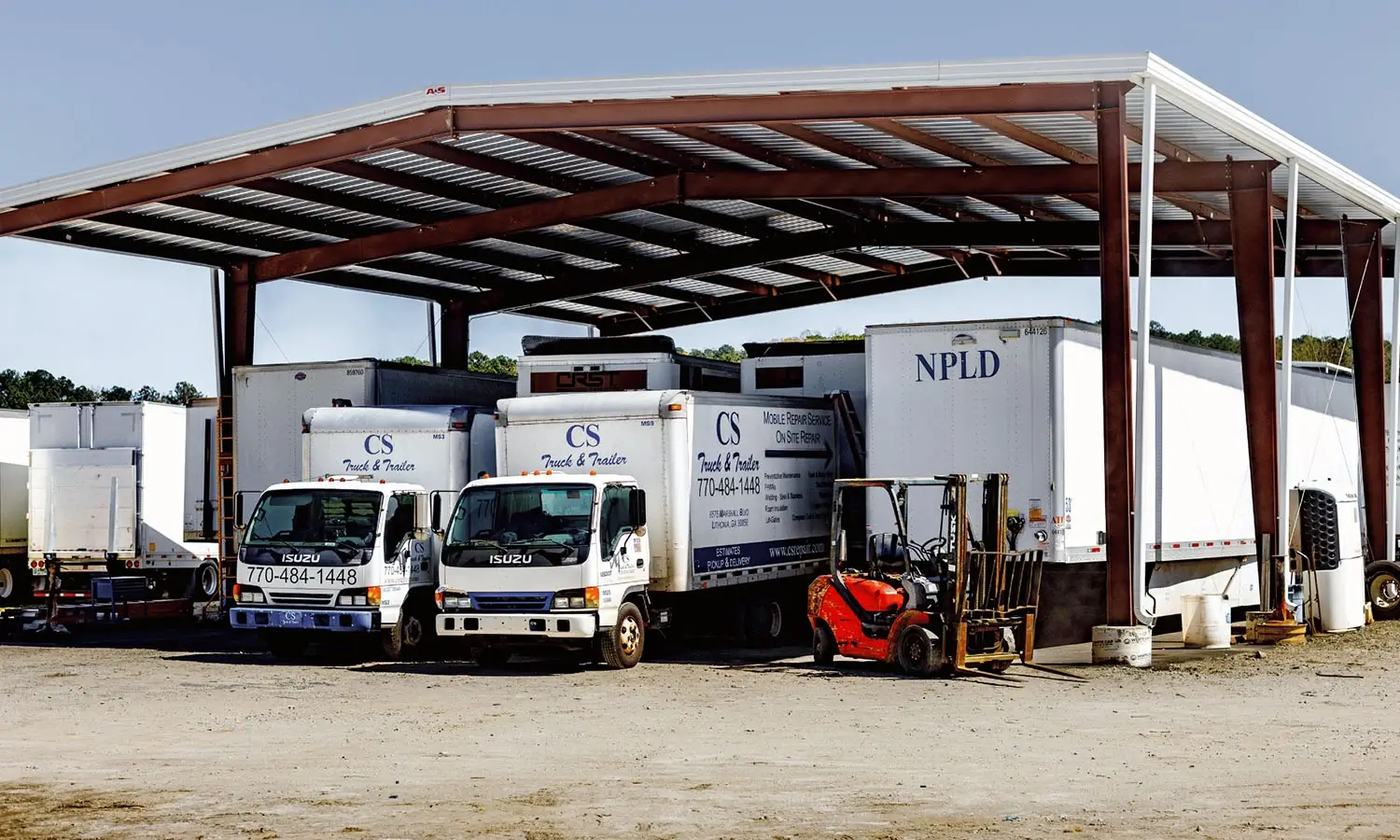
To keep yourself at the leading edge of your PM and to make sure that your truck lasts longer, CS Truck & Trailer Repair can be your most reliable partner that handles everything professionally, efficiently, and keeps you moving.
Table of Contents
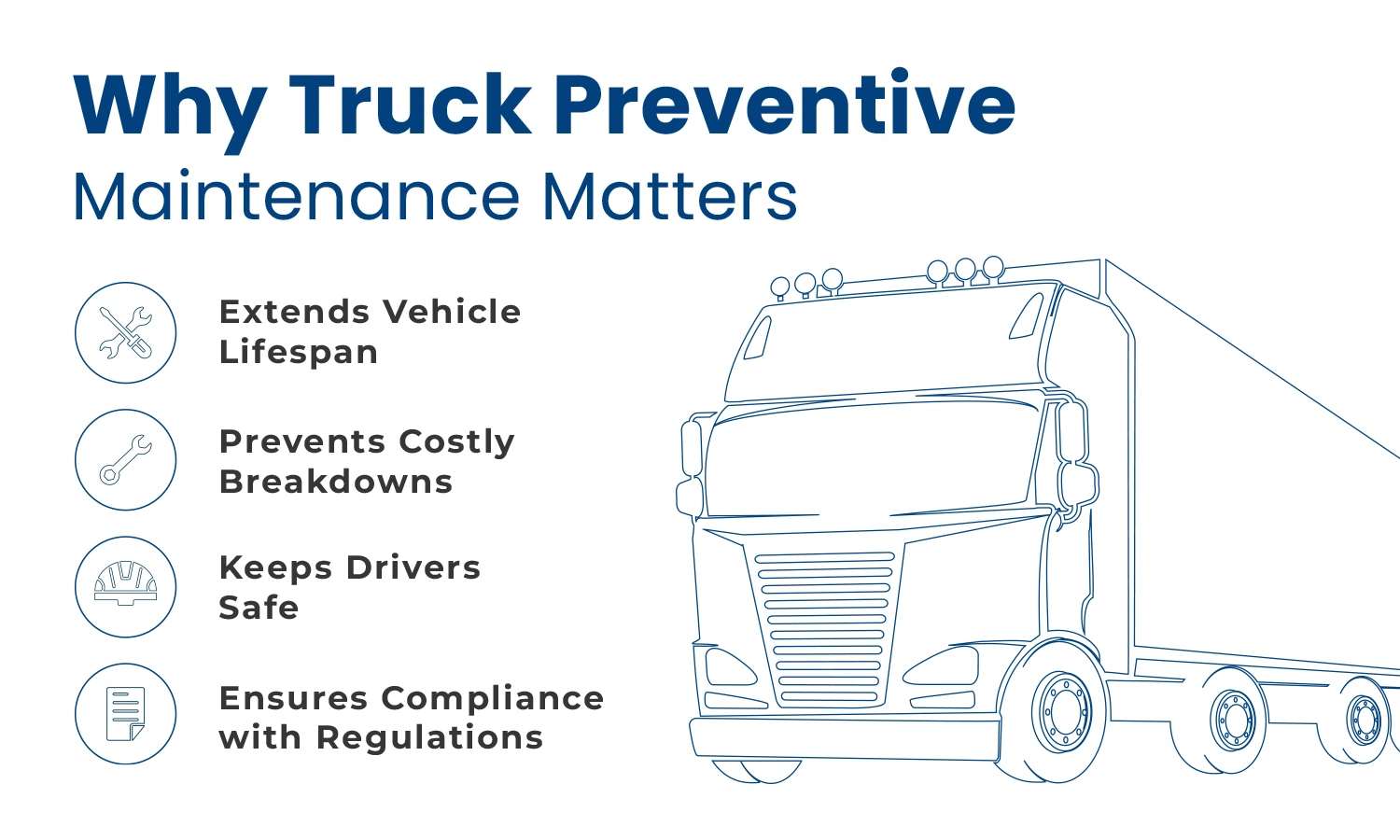
Why Truck Preventive Maintenance Matters
Truck preventive maintenance may cost you a couple of dollars now, but neglecting it can cost a fortune in the long run because your truck is the workhorse of your business. A well-maintained truck will last longer with fewer breakdowns and will keep your drivers and you in check.
In addition, frequent maintenance will enable you to adhere to DOT safety regulations and minimize road accidents. A well-serviced truck is more fuel-efficient and cost-effective to operate, directly improving profitability.
If you are a fleet operator in Atlanta, in that case, you are at an advantage of having a trusted repair shop like CS Truck and Trailer Repair around you, which offers quicker turnarounds, fewer breakdowns, and professional preventive maintenance to keep trucks on the road every day.
According to the 2024 ATRI report, average miles between breakdowns or unscheduled repairs increased from ~37,700 to ~38,249 miles, showing that good maintenance and newer equipment help in improving reliability.
Checklist for Truck Preventive Maintenance
An effective truck preventive maintenance checklist will make sure that minor problems do not turn into expensive breakdowns.
- Daily, there is a need to monitor the tire pressure, fluid levels, and headlights to avoid being caught by surprise on the road.
- Battery, filter change, and brake functionality check should be done every week to find out issues at early stages.
- Monthly tasks include searching for oil leaks, checking the health of the clutch, and damage to the air bellows.
This prevention routine saves time, fuel, and money on heavy vehicle maintenance by preventing major truck repairs down the line and giving you the confidence to hit the road hard and often.
And to acquire professional truck preventive maintenance that is quick, trustworthy, and at your location, CS Truck and Trailer Repair would be the best option. Their mobile service team is able to carry PM in your yard, at your terminal, or wherever your truck is parked, which will save you time and reduce costly downtime.
Below are the 10 tips for preventative maintenance for trucks that you need to follow to stay at the top.
1. Conduct Pre-Trip Checks Daily
Before every drive, inspect:
- Tires (pressure and tread)
- Lights and signals
- Oil, coolant, and brake fluid levels.
- Mirrors and windshield wipers.
Such tests determine the problems at the initial stage and prevent road failures.
2. Inspect the Battery
Battery health is the foundation of truck preventive maintenance. Clean terminals and tight connections are essential. Weaknesses in fleets as a result of corroded terminals or weak batteries cause delays and breakdowns, resulting in unnecessary expenses. The chargers and condition testers maintain the batteries in optimum condition, particularly during cold weather, when power requirements increase.
3. Check Your Tires Daily
Tire blowouts are very expensive and unsafe. Check tire pressure daily, examine tread depth in case of uneven wear, and look for visible damage. Well-inflated tires not only improve fuel efficiency and handling but also prevent accidents. Worn tires increase the risk of accidents. Regular commercial truck maintenance saves thousands in repairs and downtime.
4. Stick to a Regular Oil Change Schedule
Oil coats engine parts and minimizes wear. Follow the manufacturer’s recommendation for oil change based on mileage or hours. It is one of the main aspects of truck preventive maintenance, particularly during long-haul operations.
5. Monitor Brake Health
Brakes are the most important safety feature of your vehicle. Worn pads, low air pressure, or leakage of lines can lead to dangerous failures. Every truck maintenance service should include a thorough check of the brake system, particularly during heavy truck maintenance, as heavy-duty trucks have more weight exerted on the braking system during operational hours.
Do not wait; if you suspect that there is something wrong with your brakes on the way. Seek assistance from the Mobile Truck Repair Team of CS Truck & Trailer Repair to get professional assistance on the spot.
6. Clean Electrical Connections of the Starter Motor
Bad starts of the engine are often due to loose or dirty electrical connections to the starter motor. The wire needs to be examined and cleaned regularly to avoid corrosion or damage. Reliable starting is essential to make sure that trucks are on time and avoid a no-start callout, which consumes unnecessary time and your profits.
7. Avoid Clutch-Related Issues
The manual drivers put a lot of stress on the clutch. Monitor rigidity, slippage, or unusual noise. The frequent changes and fluid checks prevent the chances of a slip in the clutch or its locking, which costs a lot to fix. It is better to keep the clutch in good condition to increase the driver’s comfort.
8. Look for Oil Leaks
9. Change Filters in Time
Air, fuel, and oil filters should be replaced timely to ensure the efficiency of the engine and eliminate contamination. Without filters, the engine performance drops, and so does the consumption of fuel. Timely replacement of the engine parts will help safeguard the engines and reduce the maintenance truck cost.
10. Check Fluid Levels
Don’t wait for warning lights. Brake fluid, coolant, transmission fluid, and DEF should be checked weekly. Neglecting fluid levels is one of the leading causes of semi-truck preventive maintenance failures.
Cut Hidden Costs with Simple Truck Maintenance Habits
Even minor problems can reduce your overall cost of ownership. Early truck preventive maintenance will conserve fuel, reduce emergency maintenance, and unnecessary downtimes. Give it consideration as a cost-saving step, not as a necessity.
Many small fleets don’t have in-house mechanics. That’s where mobile truck preventive maintenance services from shops based in Atlanta, like CS Truck Trailer, come in. Their team can inspect and repair wherever you are, saving travel time and getting your trucks back on the road faster.
Investing in consistent heavy vehicle maintenance also preserves resale value. Buyers will always pay more for a truck with detailed PM records.
RunAlphaLoop Research, of nearly 20 million DOT inspection records from 2021 to mid-2025, found that 69% of trucking violations are maintenance-related, and 42% of those are critical (such as brakes, tires, steering).
Conclusion: Stay Ahead with Smart Truck PM Service
The preventive maintenance of trucks is not merely a routine; it is a smart business solution for logistics hustlers. Regular maintenance is an investment that monitors all the key systems and ensures that the trucks are safe on rough roads. It’s cost-effective in the long run. Battery care to servicing of the fifth wheel, all these little checks make the truck operations smooth.
These effective truck preventive maintenance practices will enable fleet managers, owner-operators, and even drivers to manage the costs and improve performance. The pragmatic measures reduce repair needs, extend truck life, and ensure that the teams operate smoothly, delivering on time. All this helps to promote growth and sustainability in the trucking industry.
Want to talk to someone about your PM needs?
CS Truck & Trailer Repair is your most reliable partner for PM, DOT inspections, and mobile repairs, wherever you are.
Call us today at 770-484-1448 or contact us to get your next service on the calendar.
Frequently Asked Questions
Preventive maintenance (PM) of a truck is a planned, periodic program that includes regular checks, cleaning truck components and parts’ replacements to fix possible problems before they result in a breakdown or an expensive failure.
The four types of preventive maintenance are:
- Time-based Maintenance – scheduled at intervals
- Usage-based Maintenance – based on mileage or engine hours
- Condition-based Maintenance – monitoring the actual condition of components
- Predictive Maintenance – prediction of the equipment failure by analyzing data
Costs vary depending on the truck, mileage, and service type. A basic truck PM service may range from $200–$500. However, an investment in maintenance often results in savings in the long run by reducing costly emergency repairs as well as extending the equipment’s life.
Routine maintenance practices include checking on tires, brakes, lights, cooling system, the belts, hoses, and fluid levels (oil, coolant, and transmission fluid). The engine oil and filter must be changed regularly.
Recent Posts
Author

Megan McTaggart
Fleet Industry Copywriter
Megan McTaggart is a professional content writer specializing in fleet management, vehicle maintenance, and repair industry insights. I create well-researched, practical, and SEO-driven content that helps fleet managers and business owners make informed decisions. With a focus on clarity and value, Megan translates complex technical topics into easy-to-understand, actionable information.